
Meal Planning When You're Cooking for Different Dietary Needs
Strategies for preparing food that works for kids, adults with health restrictions, and aging parents. Real solutions that don't mean cooking three separate meals.

The Reality of Multi-Generational Meals
You're standing in the kitchen at 5 PM. Your teenager wants pasta but can't eat dairy anymore. Your mom's cardiologist says less sodium. Your youngest refuses anything "green." Sound familiar? It's one of the biggest stressors for people managing multiple households or generations under one roof.
The good news? You don't need three different dinners. It's about building meals in layers — a solid foundation that everyone eats, with simple add-ons and swaps that take maybe five extra minutes. We're talking real, doable solutions that actually work on a Tuesday night when you're tired.
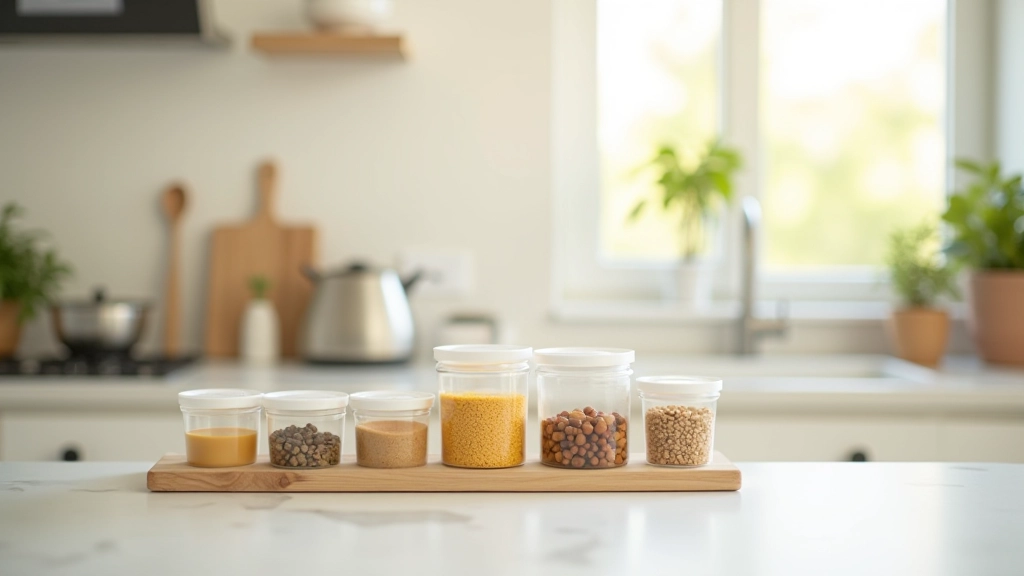
Build Meals in Three Layers
Think of your meal as three components: base, protein, and add-ons. The base is always the same — rice, roasted vegetables, pasta, whatever. Then you vary the protein and toppings based on who's eating.
Example: Monday night you're making rice and roasted vegetables. Your base is ready by 5:30. Your mom gets hers plain with grilled chicken (no salt added during cooking). Your teenager adds their dairy-free sauce. The youngest gets theirs with butter and parmesan. One meal, three versions, minimal extra work.
The key is planning the base around what works for your most restricted person. If someone can't eat certain things, that becomes your foundation. Everyone else can add to it. You're not cooking around seven different rules — you're cooking one smart meal and adapting from there.
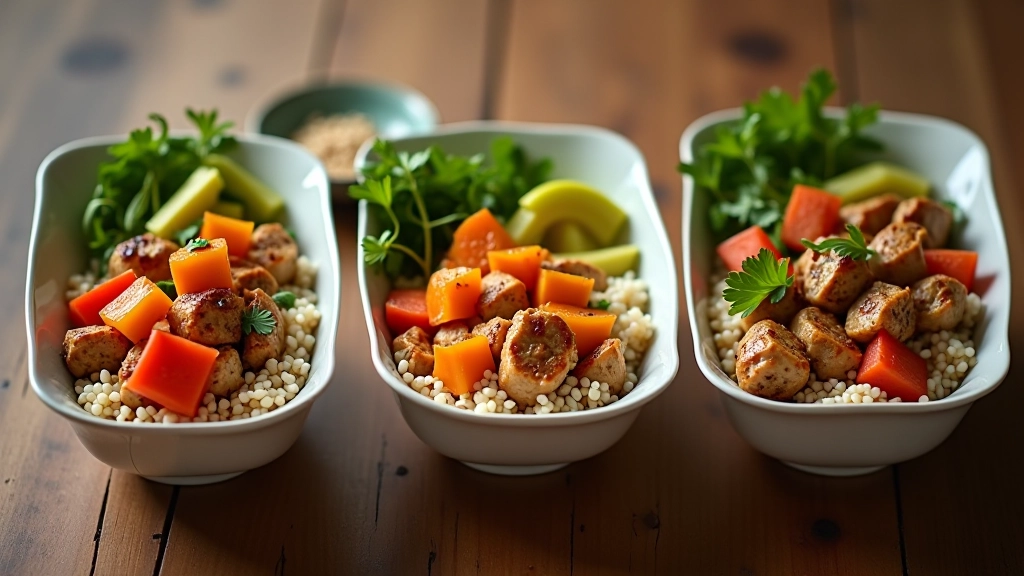
Weekly Planning That Actually Works
Start your week by mapping three to four base meals. That's it. Three or four. Not seven different dinners — three or four solid foundations that you'll build from.
Monday: Sheet Pan Base
Roasted chicken thighs (easier than breasts, more forgiving), sweet potato wedges, and broccoli. Everything on one sheet, 35 minutes at 425°F. Your parent with sodium restrictions gets theirs before you add salt to anyone else's portion.
Wednesday: Rice Bowl Base
Cook rice, prepare simple stir-fried vegetables with no added sodium. Your teenager picks a protein (tofu, egg, chicken). Your parent's version stays unseasoned. Everyone else seasons theirs at the table. Takes 25 minutes total.
Friday: Pasta with Flexibility
Cook plain pasta and prepare a simple sauce base with no dairy, no salt. Your mom's portion stays here. Your teenager adds dairy-free cheese. Others add parmesan. Kids can have butter and breadcrumbs if they want. Simple, flexible, done in 20 minutes.
Shopping Smart for Multiple Needs
Your shopping list doesn't get longer. It gets smarter. You're buying versatile ingredients that work in multiple contexts.
Proteins like eggs, chicken, and beans work for everyone. Vegetables are the same across diets — just prepared differently. Grains like rice and pasta are neutral. What you're actually buying differently is the add-ons: the dairy-free alternatives, the low-sodium seasonings, the specific sauces your teenager prefers.
One thing that saves real money: buy your vegetables whole and in season. A head of broccoli costs way less than pre-cut florets, and you'll use it in Monday's sheet pan, Wednesday's stir-fry, and Friday's pasta topping. Same with carrots, peppers, and onions.

Practical Techniques That Save Time
Cook the Base Unseasoned
This is the game-changer. Cook your proteins and vegetables with no salt, no special seasonings. It takes the same time. Then your parent with sodium restrictions gets their full portion. Everyone else seasons theirs at the table or during the last few minutes of cooking. You're not holding back flavor — you're letting people choose their level.
Prep Proteins Differently
Cook a versatile protein that doesn't need much sauce or addition. Grilled chicken, baked tofu, scrambled eggs, ground turkey — these work in multiple contexts. You're not making "grandma's dinner," "teen dinner," and "kid dinner." You're making one good protein that everyone can use.
Keep Add-Ons Simple
Have 4-5 easy add-ons ready: a sauce, cheese options, nuts, fresh herbs, a good olive oil. Your teenager can make their plate how they like. Your parent's stays simple. Your youngest adds what appeals. These aren't complicated — they're just there as options.
Use Your Freezer as a Planning Tool
Cook double on Monday and freeze half for Wednesday when you're busier. Freeze portions of that sauce for next week. Your freezer becomes part of your meal planning system, not just a storage place. On hectic weeks, you've already got bases ready.
When People Push Back (And They Will)
Your teenager says they won't eat plain vegetables. Your mom insists on having her own meal prepared her way. Your youngest decides he suddenly hates everything you're making. This is normal. You're not trying to make everyone happy with one meal — you're creating a flexible structure.
The shift is in how you talk about it. Instead of "Here's dinner," it's "Here's the base, and here's what you can do with it." That gives people autonomy without creating extra work. Your teenager might discover they actually like roasted vegetables if they can add their favorite sauce. Your parent might feel respected because she's choosing her portion size. Your youngest might surprise you with what he'll eat when he's involved in the choosing.
It's also okay to have one person's meal be genuinely different. If your parent needs a completely separate dinner twice a week due to health restrictions, that's fine. You're solving for four nights a week with this system, not seven. Real life is messy and flexible.

Start Small, Build From There
You don't need a perfect system on day one. Pick one week and try three base meals. See what actually works in your kitchen, with your family, with your schedule. You'll learn what takes 20 minutes and what takes 40. You'll figure out which bases are actually flexible and which ones need more work.
The goal isn't to eliminate cooking complexity. It's to reduce stress by planning smarter. You're not cooking three dinners. You're cooking one thoughtful meal with built-in flexibility. That's the real win — feeding everyone well, without losing your mind at 5 PM.
Start with Monday's sheet pan dinner. Get that down. Then add Wednesday's rice bowl. Then Friday's pasta. By the fourth week, you'll have a rhythm that actually works.



Information Disclaimer
The information in this article is for educational purposes only. It's not medical or nutritional advice. If anyone in your household has serious allergies, medical conditions, or dietary restrictions prescribed by a healthcare provider, please consult with a doctor or registered dietitian before making significant meal planning changes. Everyone's health situation is different, and what works for one family might not work for another.